


The greatest love story in modern animation begins with an ogre who wants everyone to get out of his swamp.
That is the joke… but it is also the point.
“Shrek” returns to theaters today for its 25th anniversary and brings the 2001 animated film back to audiences who remember it as a comedy, a meme and a piece of early-2000s childhood nostalgia.
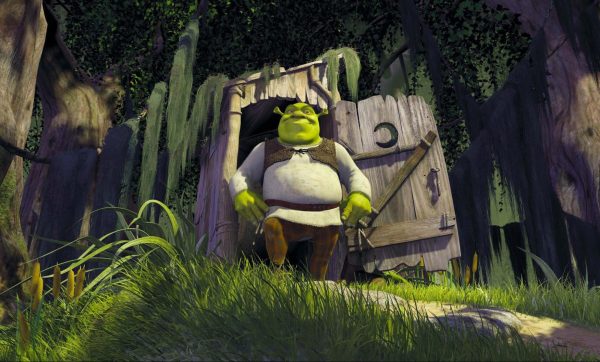
But beneath the fairy-tale parody lies a deeper truth: Love should not require someone to become cleaner, prettier, quieter or easier for the world to accept.
It is not a love story because of its fairy tale elements, a princess, a rescue and a wedding.
It is a love story because both characters stop apologizing for who they are.
“Shrek” is one of the greatest love stories ever told because its happy ending does not fix the ogres. It lets them stay ogres and be exactly who they are.
Living with the name you are given
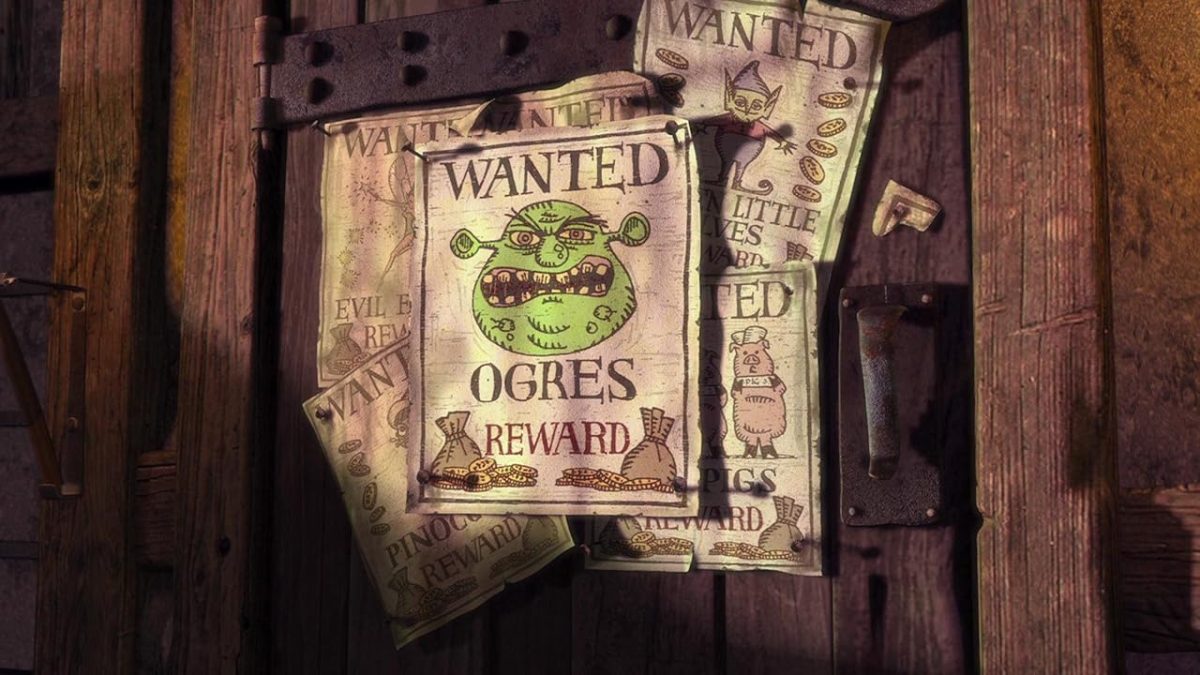
Shrek begins the film already knowing what the world thinks of him.
He is an ogre and that word comes with assumptions attached.
Before he says anything meaningful about himself, people have already decided he is: dangerous, ugly, uncivilized and unwanted.
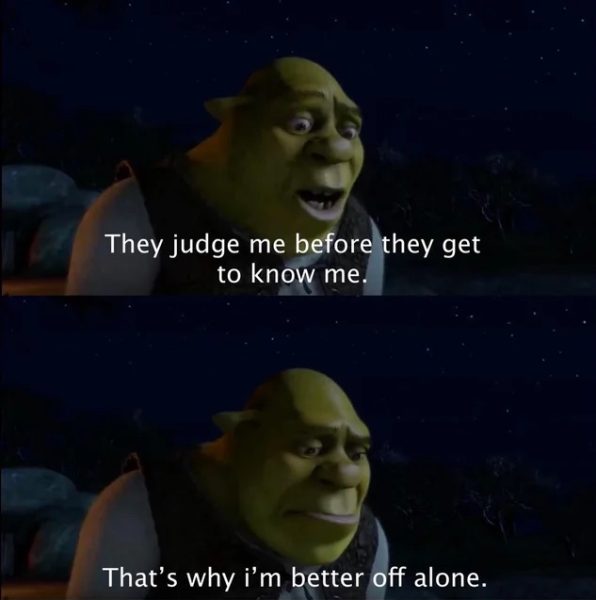
Shrek is not alone by accident. His swamp is not just where he lives. It is where he can exist without being constantly judged.
He inherits the word “ogre” before he ever gets to define himself.
Everyone else sees the swamp as gross. For Shrek, it is peace.
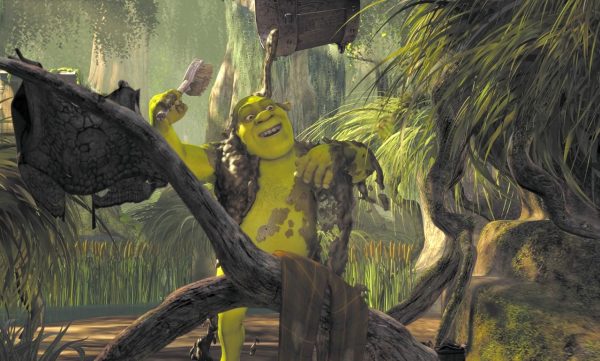
It is a fence made of mud, warning signs and whatever privacy an ogre can still have.
Then the world enters anyway.
Who gets to belong
Lord Farquaad removes the fairy-tale creatures from Duloc and forces them into Shrek’s swamp. Suddenly, Shrek’s private refuge becomes a dumping ground for everyone Duloc refuses to tolerate.
Duloc looks perfect because Farquaad has pushed the messier, stranger and more inconvenient parts of the kingdom out of sight. The fairy-tale creatures are not dangerous. They are simply unwanted.
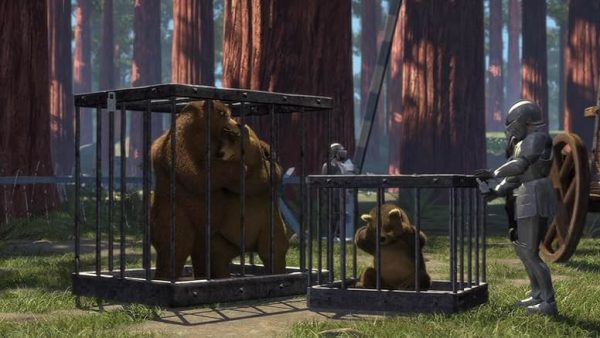
In Duloc, belonging has nothing to do with kindness. It has everything to do with obedience to Farquaad’s version of normal. Farquaad decides who counts as part of the kingdom and who gets dropped into someone else’s.
That matters to the love story because Shrek and Fiona are both shaped by the same fear: that the world only has room for them if they hide the parts of themselves that do not fit.
The princess who was hiding too
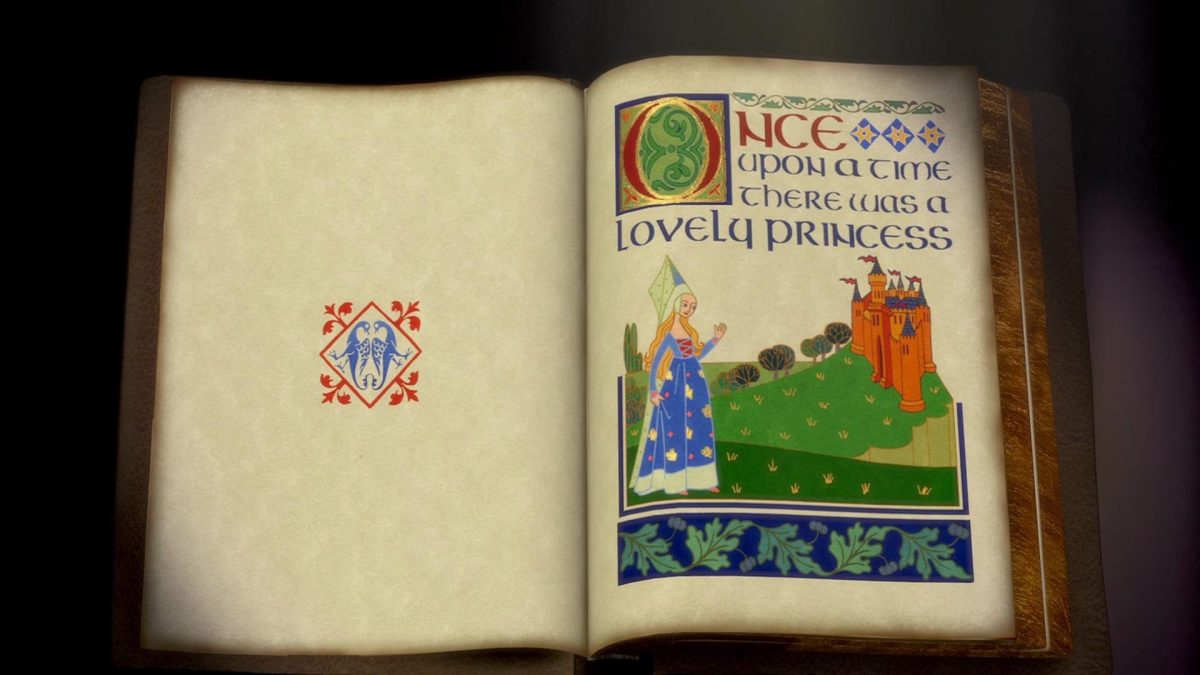
Then there is Fiona.
At first, Fiona looks like the princess every fairy tale has trained the audience to expect. She is locked in the highest room of the tallest tower, waiting for her knight in shining armor’s heroic rescue and a traditional happy ending.
But Fiona has been carrying the same wound in a prettier costume.
She lives with two versions of herself: the princess everyone expects and the ogre she has been taught to hide.
The curse is only the surface problem.
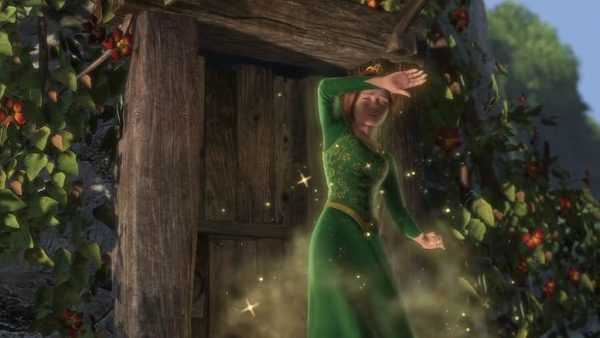
By day, Fiona is allowed to be the princess. By night, she becomes the version of herself she believes no one would choose.
That is what makes Fiona hurt more than the joke suggests. She is hiding the version of herself she believes will make her unlovable.
Their love story starts working once the rescue stops being the point.
Shrek and Fiona fall in love in the small space between sarcasm and recognition.
Each sees the other’s defensiveness as layers that need to be peeled… like onions.
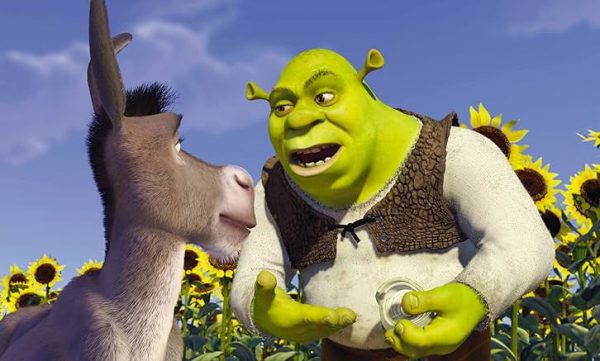
Their relationship grows in arguments, side-eyes, awkward silences, jokes that land too close to the truth and moments where neither one looks away.
It does not begin with instant admiration. It begins with two people who learned to keep their guard up because being honest had never felt safe.
Refusing to be fixed
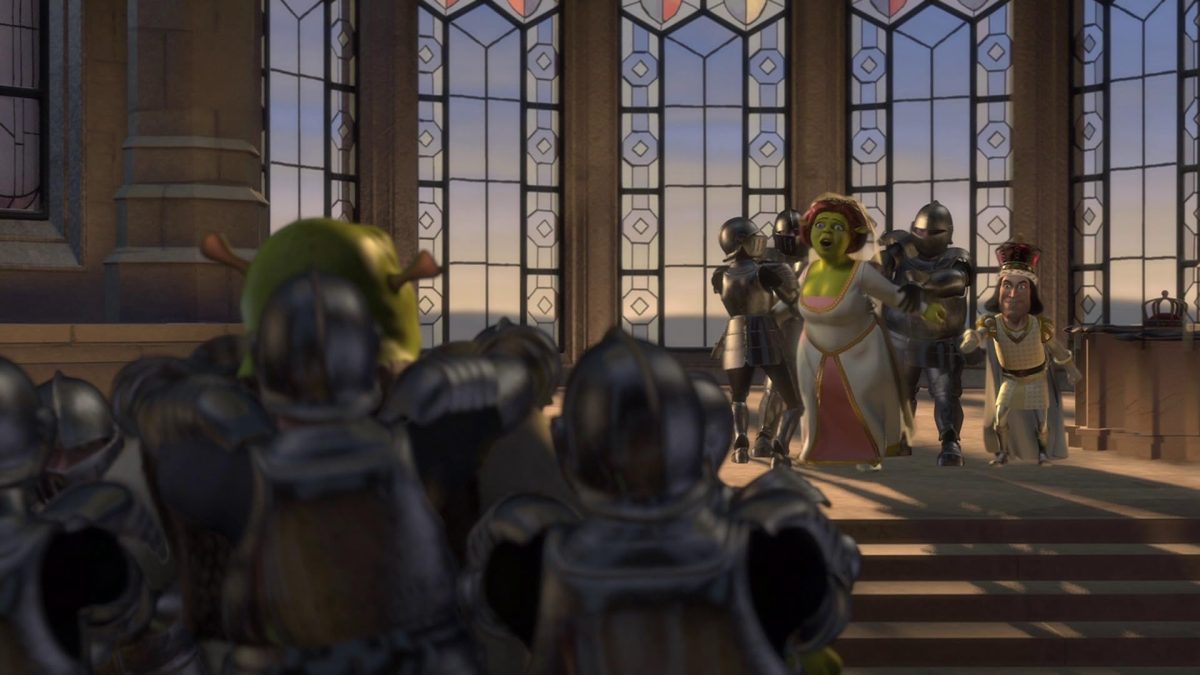
Most stories about outsiders eventually ask them to clean themselves up.
The message gets sold as “growth”, but the bargain is clear: You can belong, but only after you become less difficult to accept.
“Shrek” does not follow that pattern.
Shrek does not become a handsome prince in shining armor. Fiona does not remain human. Their ending does not depend on becoming more beautiful, more royal or more acceptable to the kingdom.
Instead, the film lets them stop begging Duloc for a place it was never going to give them.
That is why the ending hits harder than a simple “be yourself” message. Nobody should have to erase themselves to be worthy of love.
The love story is not that Fiona sees past Shrek being an ogre. It is that Fiona becomes fully seen too.
A weaker version of the story would have made Shrek the monster who is secretly lovable because someone beautiful chooses him, but Fiona has also been trapped inside someone else’s definition of a happy ending.
She is not Shrek’s reward. She is his mirror.
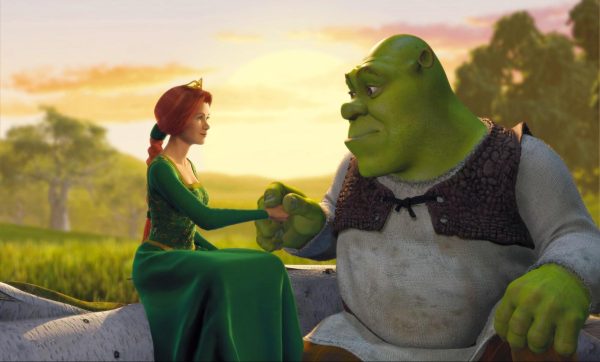
Both have been taught to split themselves into acceptable and unacceptable versions. Shrek uses anger and Fiona uses performance.
Both of them have to learn that love is not the same as approval.
Happily ogre after
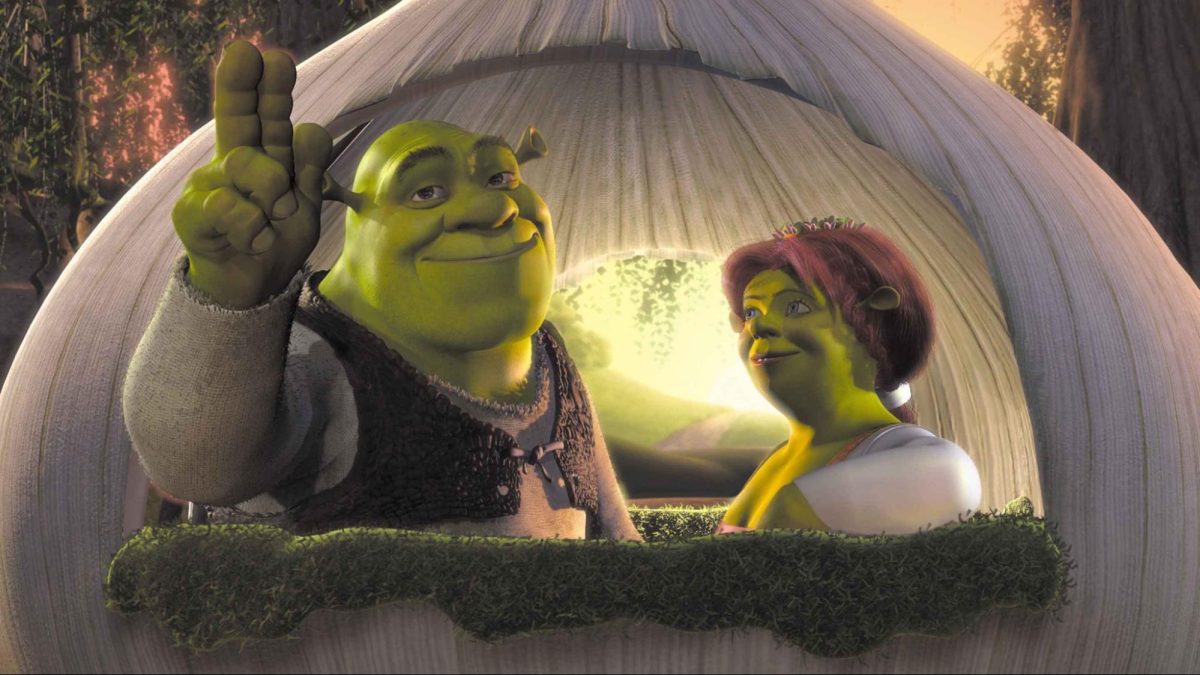
Twenty-five years later, the ending still works because the movie never mistakes acceptance for a makeover.
The jokes still work because they are stupid, specific and weird in the way good childhood comedies are. Duloc still feels like a perfect little nightmare of order, image control and forced cheer. The film’s place in animation history matters, too. “Shrek” won the first Academy Award for animated feature in the category’s inaugural year.
But the reason the movie lasts is simpler: Shrek and Fiona are not rewarded for becoming less strange.
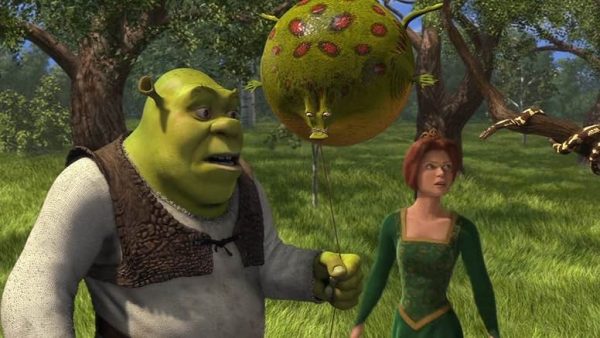
“Shrek” lasts because it understands what labels can do to people, what exile can teach them and what shame can make them hide. It is about what happens when two people stop trying to be lovable by someone else’s standards.
That is why “Shrek” is the greatest love story ever told.
The film does not sell love as transformation into someone better-looking, cleaner or more socially acceptable. It shows love as the moment someone sees the part of you that you were told to hide and does not ask you to make it disappear.
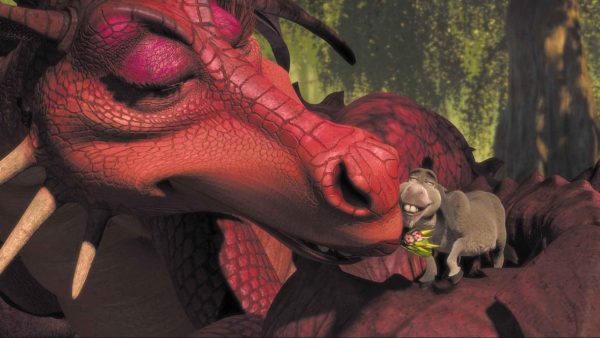
In the end, Shrek does not leave the swamp because he has outgrown it. Fiona does not become human because the story needs her to be beautiful.
They go home as they are.
And somehow, that is still the most romantic thing a fairy tale can do.